Start With Performance, Not a Generic Foam Description
The words "high-density foam" do not define whether a material will perform in the finished product. Compression, resilience, water exposure, surface finish, thickness tolerance, and the way the foam will be cut or bonded can all affect the result.
We help buyers turn the application into a clear manufacturing brief before the factory recommends a material or prepares a sample.
Supply Formats and Project Support
Depending on the confirmed specification, the partner can review projects for:
- High-density EVA foam sheets, slabs, and blocks
- Material supplied in custom thicknesses and dimensions
- Cut blanks and components for further processing
- Color, surface, and hardness requirements
- Prototype, sample, and production-order coordination
- Export packaging suited to the material dimensions and shipping method
We confirm exact density ranges, hardness ranges, tolerances, available colors, and processing options with the factory for each inquiry, so the quotation reflects what will actually be produced.
Typical Applications
EVA foam is commonly considered for protective padding, equipment cases, sports and leisure products, marine and flotation components, footwear, industrial cushioning, packaging inserts, floor and wall protection, and fabricated foam parts.
Final material selection should be based on the required physical properties, environment, safety expectations, and applicable testing rather than application name alone.
What Buyers Can Evaluate From a Sample
Compression and Recovery
Confirm how the foam responds under the expected load and whether it returns to shape at the required rate.
Surface and Cell Structure
Review surface consistency, feel, appearance, and suitability for cutting, laminating, bonding, or finishing.
Dimensional Fit
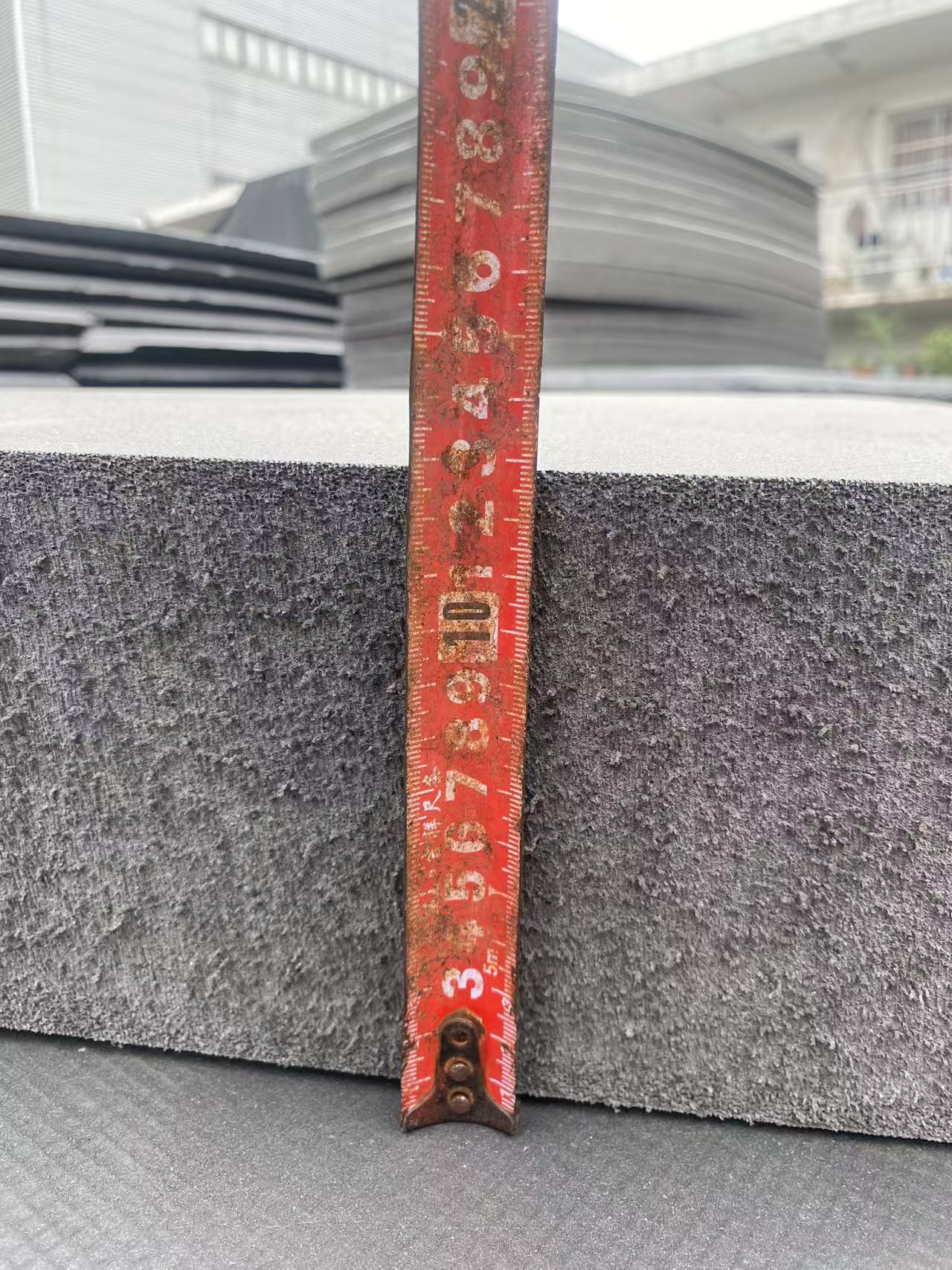
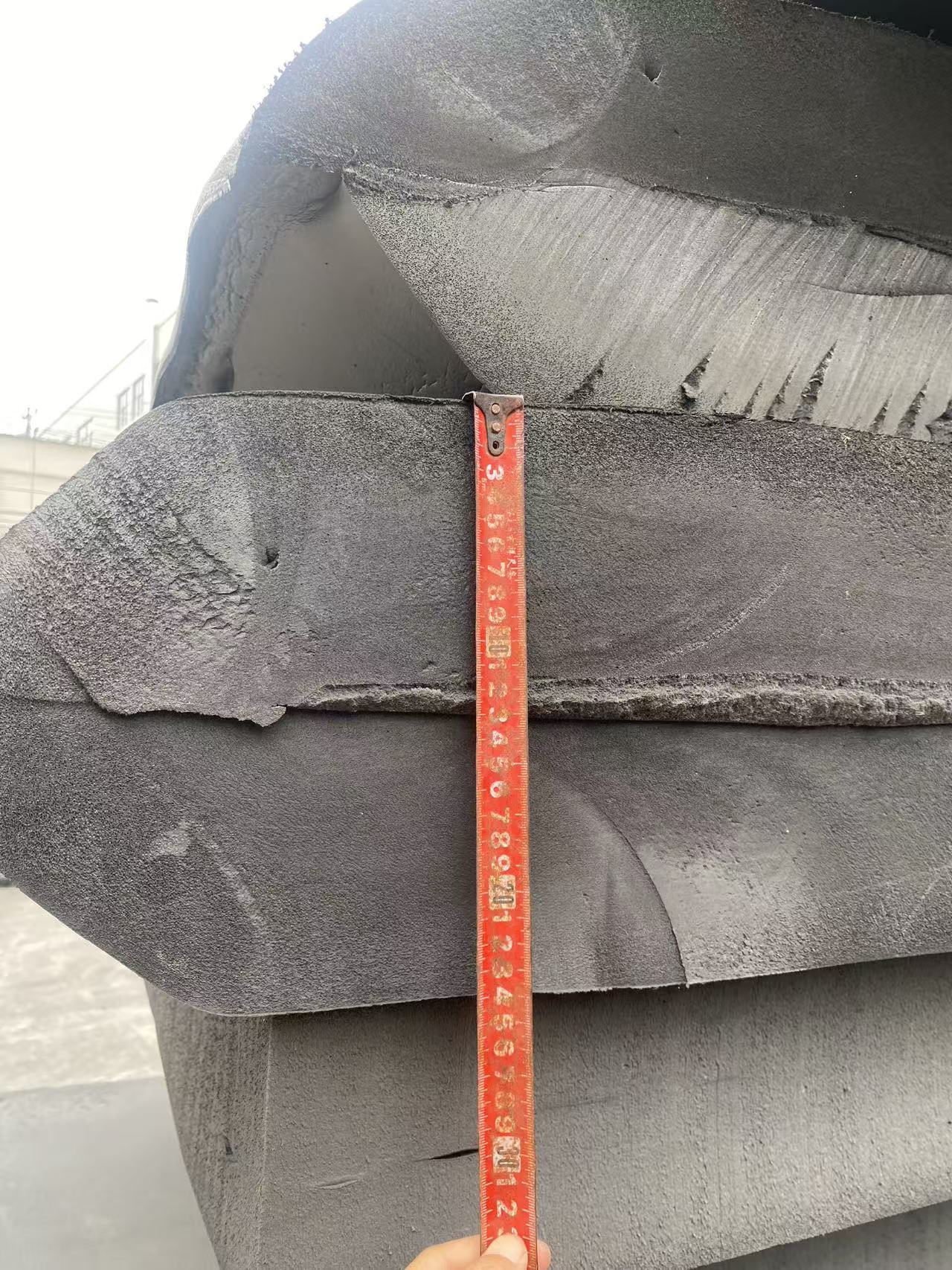
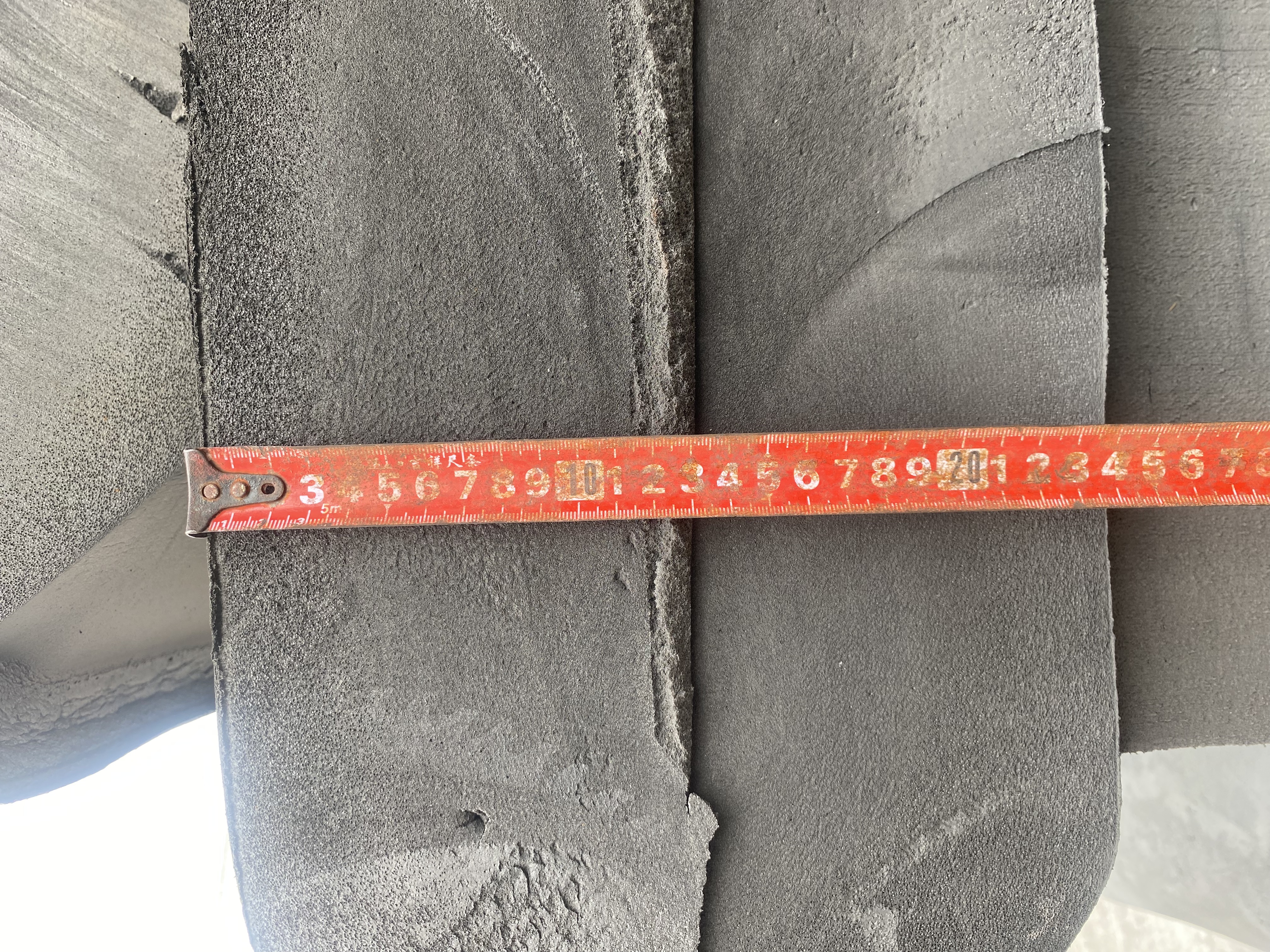
Check thickness, length, width, and cut-part tolerances against the finished product or assembly.
Environmental Requirements
Identify exposure to water, temperature changes, chemicals, UV, repeated impact, or long-term compression so the factory can review material suitability.
What To Send for Review
- Finished application and operating environment
- Required density and hardness, if known
- Sheet, block, or component dimensions
- Thickness and dimensional tolerances
- Color and surface requirements
- Cutting, lamination, adhesive, or further-processing needs
- Required test reports, standards, or restricted-substance requirements
- Sample quantity, production quantity, and destination